We are Better than Our Files, Our Placement, and Our Circumstances
May is Foster Care Awareness Month. As we recognize Foster Care Awareness Month, we especially amplify the need for support for youth as they make the transition to independence.
Supporting Older Youth
Prioritizing safety and stability for children before, during, and after they experience foster care are each important endeavors. Youth who experience foster care are more likely to endure challenges, such as housing instability, joblessness, academic difficulties, and early parenthood. This is why supports for youth as they enter adulthood are so important.
The John H. Chafee Foster Care Independence Program (Chafee) was created by Congress in 1999 to support current and former foster youth, age 14 to 21, transitioning to independence and adulthood. According to the KIDS COUNT Data Center, in 2023, 1,328 young Arizonans benefited from Room and Board Financial Assistance and 1,048 benefited from Education Financial Assistance under Chafee.
At Children's Action Alliance, we work with young adults who have transitioned out of the foster care system, and we know the need is even greater. That is why we are encouraged that, this month, the U.S. House of Representatives passed H.R. 7432, the Fostering the Future Act – legislation that strengthens Chafee to improve state utilization of Chafee funds, expand access to educational support and workforce training opportunities, enhance supports for foster youth who are parents, and expand access to legal services. Keep an eye on this federal legislation and how it can bolster supports for young people.
In our work with Fostering Advocates Arizona, we hear directly from young adults about what it’s like to navigate daily living, especially as many costs are on the rise. Chafee services are one piece of a network of services and benefits that should be easier to navigate for young adults.
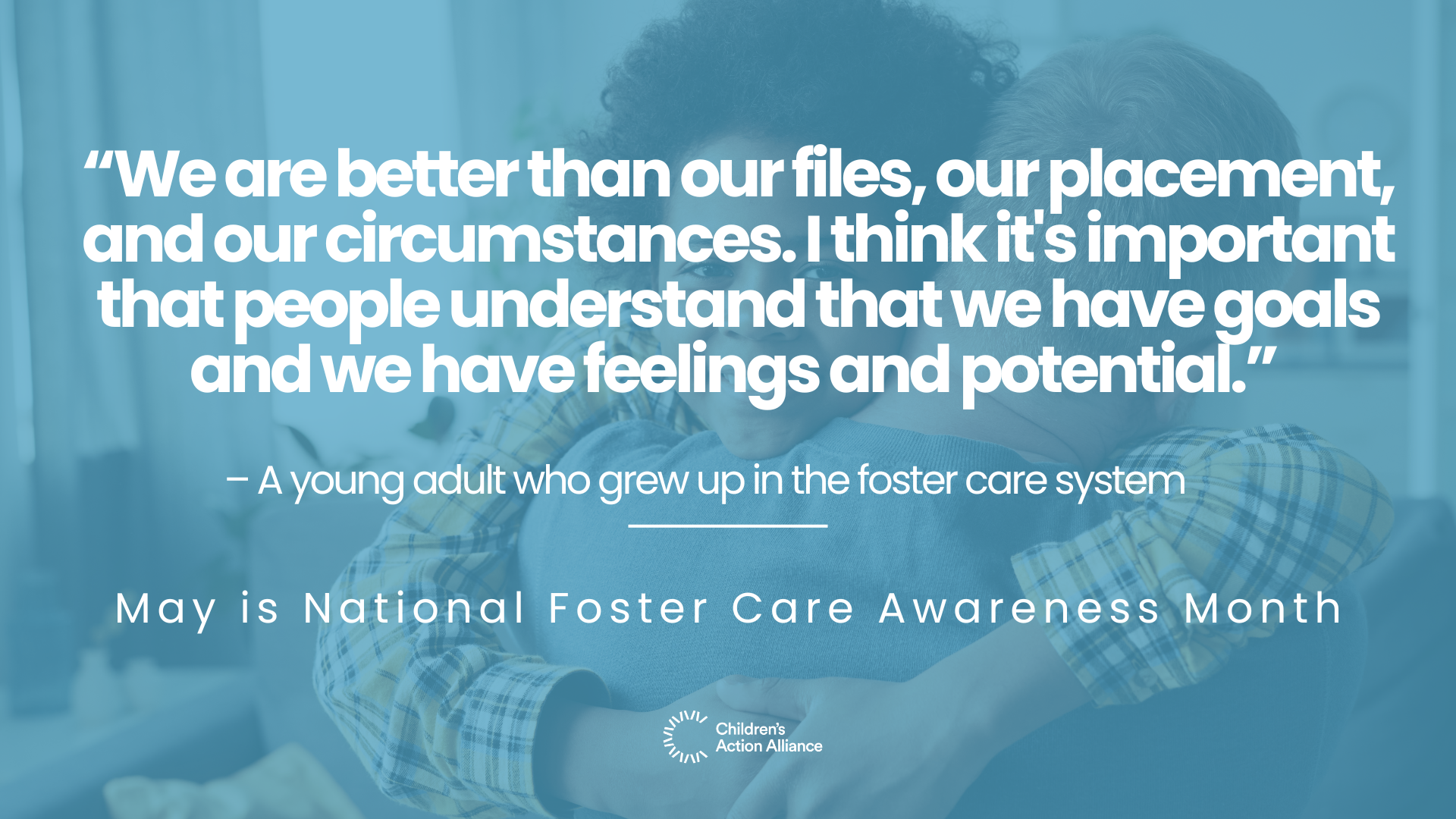
We thank young people who use their voices to advocate, and we echo the words of a youth leader who emphasized that young adults who transition out of foster care have goals, feelings, and potential. Policy decisions should support them in reaching those goals and potential.