
Early Childhood

Early care and learning encompass all forms of education, both formal and informal, provided to young children up to approximately eight years of age.  This education is fundamental to the development of a child and can significantly shape the later years of an individual’s life.
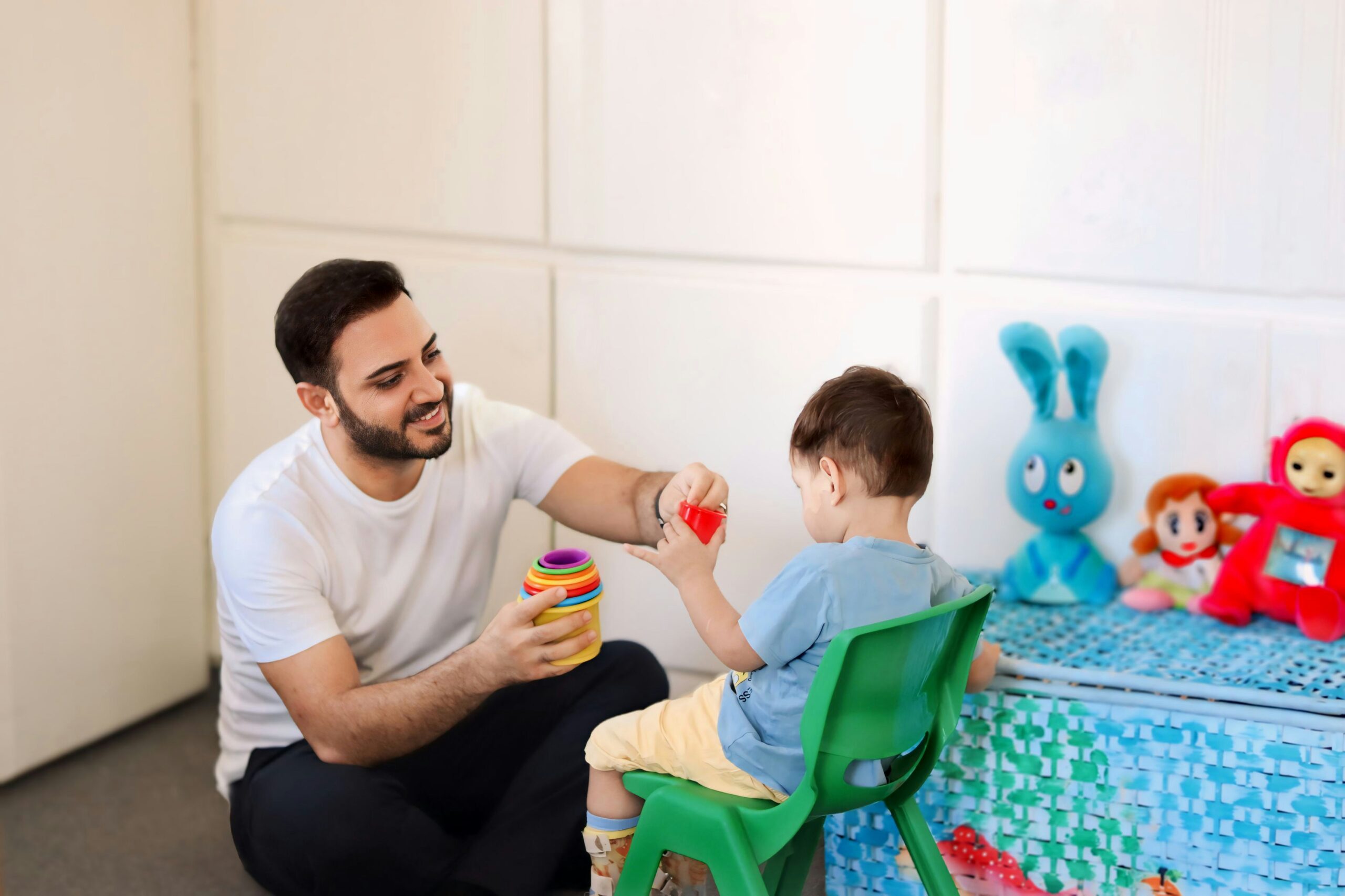
Child Care Graphic

Early childhood experiences shape a child’s lifelong learning as brain development occurs most rapidly and dramatically in the first three years of life. For every $1 spent on early care and learning, up to $16 is saved through decreased special education, social welfare, and crime-related costs. These investments correlate to increased high school graduation rates, college acceptance, and higher earnings later in life. Accessible and affordable early care and learning programs lead to economic growth and stability by enabling families to work, seek further education opportunities, or training, which leads to increased labor force participation and higher earnings. Our efforts focus on expanding access to early care and learning programs by finding creative solutions and sustainable funding to support our youngest children.
$4.7

Billion

Estimated loss to Arizona’s economy annually due to challenges with early care and learning programs like lost productivity, employee turnover, and missed workdays.

32%

Of Arizona 3–4-year-old children that are enrolled in a quality early learning setting.

31%

Of children aged six and under are income-eligible for child care assistance.

77%

Of all likely voters support more investment in child care assistance programs for qualifying families.

Factcheck Early Childhood Infographic

Only 40% of Arizona children aged 3 to 4 are enrolled in an early education program. Ready to check the facts?

Early Childhood Infographic

Internal Link

2026 Legislative & Policy Priorities

Early care and learning encompass all forms of education, both formal and informal, provided to young children up to eight years old. This education is fundamental to the development of a child and can significantly shape the later years of their life.

  1. INCREASE THE NUMBER OF CHILD CARE SLOTS IN RURAL AND UNDERSERVED COMMUNITIES by investing in child care infrastructure
  2. MAKE CHILD CARE MORE AFFORDABLE for families with lower incomes by funding the Child Care Assistance Program and reducing the waitlist
  3. ENHANCE FUNDING STREAMS FOR EARLY CHILDHOOD PROGRAMS, like the Early Childhood Development and Health Board (First Things First)
  4. EXPAND ELIGIBILITY for the Arizona Early Intervention Program for infants and toddlers with disabilities
  5. BUILD ON THE SUCCESS OF EARLY LITERACY COACHING to increase reading proficiency by 4th grade
  6. REDUCE CHILD HUNGER by funding free school meals for eligible children

Read the latest

Events

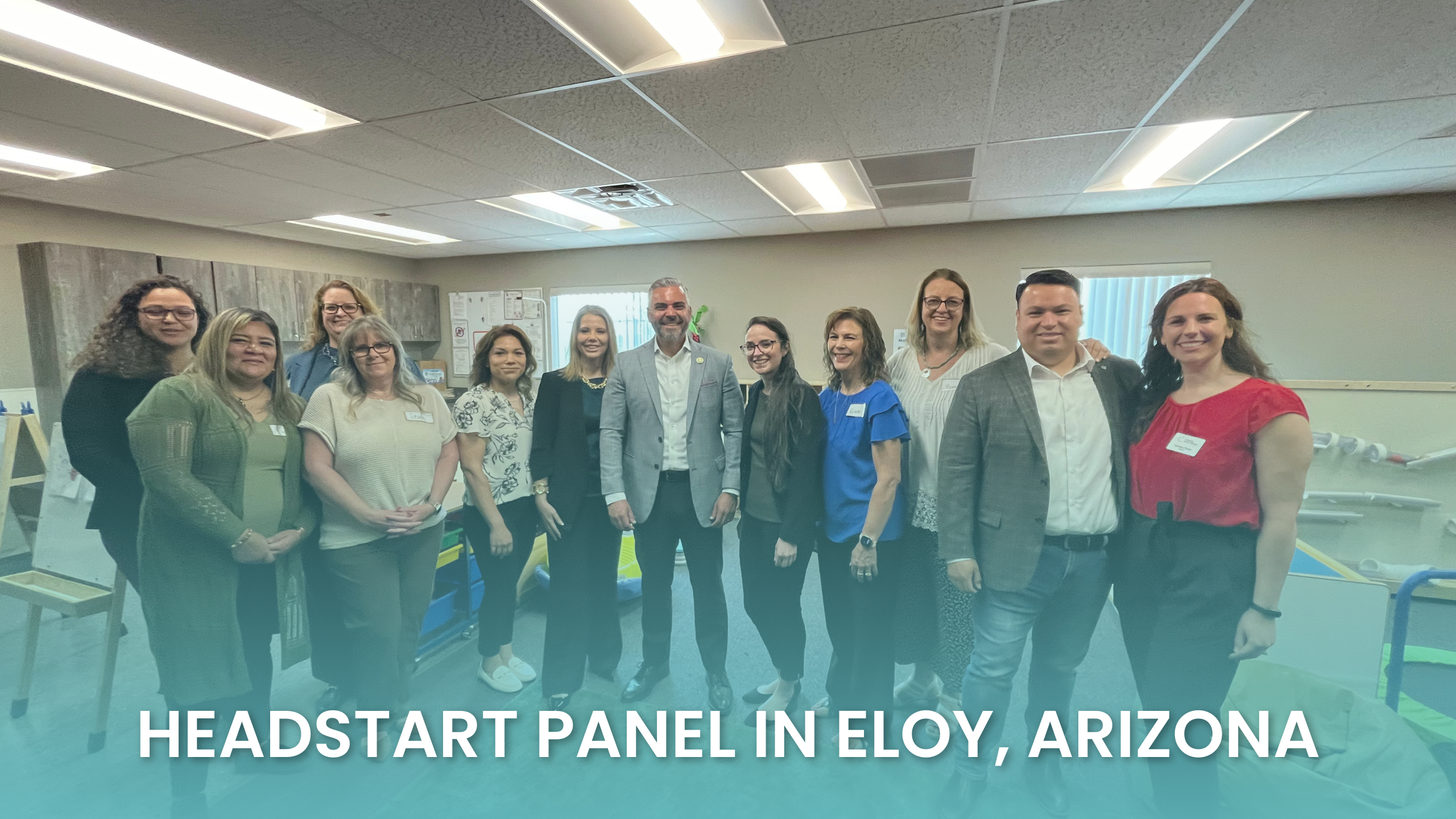
Head Start Turns 60: Honoring Its Legacy and Fighting for Its Future

On Sunday, May 18th, Head Start celebrates 60 years as a federal early care and education program serving over 800,000 young children across the nation, 17,000 of whom are in Arizona. The Arizona Head Start Association and Children’s Action Alliance held a presentation and panel discussion in Eloy,…

News

What Moms Deserve: Policies That Support Arizona Families

News

February: A Month of Advocacy for Early Childhood Policies

News

Policy Solutions Can and Should Prevent Hunger and Homelessness Among Children and Youth

News

Well That's Scary- Child Care Crisis in Arizona