
La CAA y la FAAZ solicitan más ayudas para los jóvenes que abandonan el sistema de acogida
El Senado del estado de Arizona ha aprobado una ley para aumentar las ayudas económicas destinadas a los jóvenes en acogida en edad de transición, y actualmente se está debatiendo en la Cámara de Representantes. El proyecto de ley SB 1325 (Shope) aumentaría la ayuda para la vida independiente que se concede a los jóvenes de entre 18 y 21 años que participan en el programa de prolongación de la acogida, pasando de 715 a 1.200 dólares al mes.
El programa de acogida prolongada permite a los jóvenes que, de otro modo, tendrían que abandonar el sistema de acogida al cumplir los 18 años, permanecer voluntariamente bajo tutela hasta los 21. Los estudios demuestran que los jóvenes que participan en este programa tienen más probabilidades de terminar la enseñanza secundaria, matricularse en la universidad y mantener un empleo estable, y menos probabilidades de necesitar ayudas públicas para la alimentación, sufrir graves dificultades económicas, quedarse embarazadas o tener problemas con la justicia penal. 1
El programa de acogida prolongada de Arizona ayuda a los jóvenes acogidos en su transición hacia la independencia, proporcionándoles el apoyo de un especialista en casos del DCS y ayudándoles a cubrir sus necesidades básicas, incluida la vivienda. Las opciones de alojamiento incluyen continuar en una familia de acogida o en un hogar colectivo o, si procede, el DCS puede ayudar al joven a vivir por su cuenta, por ejemplo, en un apartamento o en una residencia de estudiantes, mediante la concesión de una ayuda para la vida independiente.
La ayuda económica que proporciona la subvención es fundamental para ayudar a los jóvenes en acogida a encontrar su lugar en la vida adulta a medida que avanzan hacia la independencia. Sin embargo, con 715 dólares al mes y una reducción de 50 dólares cada seis meses, el importe de la subvención no ha seguido el ritmo del coste de la vida. En el condado de Maricopa, se calcula que el coste medio mensual de la vida para un adulto soltero es de 2.457 dólares. 2
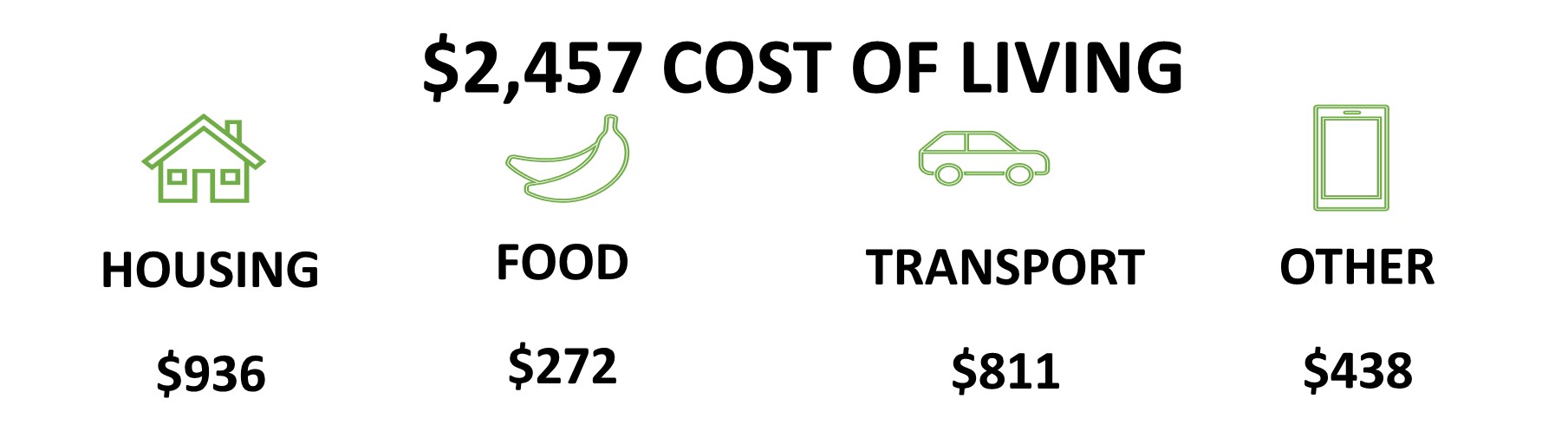
A través del proyecto de ley SB 1325 (Shope), la CAA y Fostering Advocates Arizona —un grupo de jóvenes líderes con experiencia vivida en el sistema de acogida— solicitan al estado que aumente la ayuda económica a 1.200 dólares para reflejar mejor el coste de la vida y proporcionar a los jóvenes en acogida en edad de transición el apoyo económico significativo que necesitan para convertirse en adultos independientes y exitosos.
1Courtney, M. E., Okpych, N. J. y Park, S. (2018). Informe de CalYOUTH: Conclusiones sobre la relación entre la acogida prolongada y los resultados de los jóvenes a los 21 años. Chicago, IL: Chapin Hall de la Universidad de Chicago
2EconomicPolicy Institute, marzo de 2022. Basado en el coste de la vida de 2020, sin incluir la asistencia sanitaria, los gastos de guardería ni los impuestos. https://www.epi.org/resources/budget